
Quick Answer
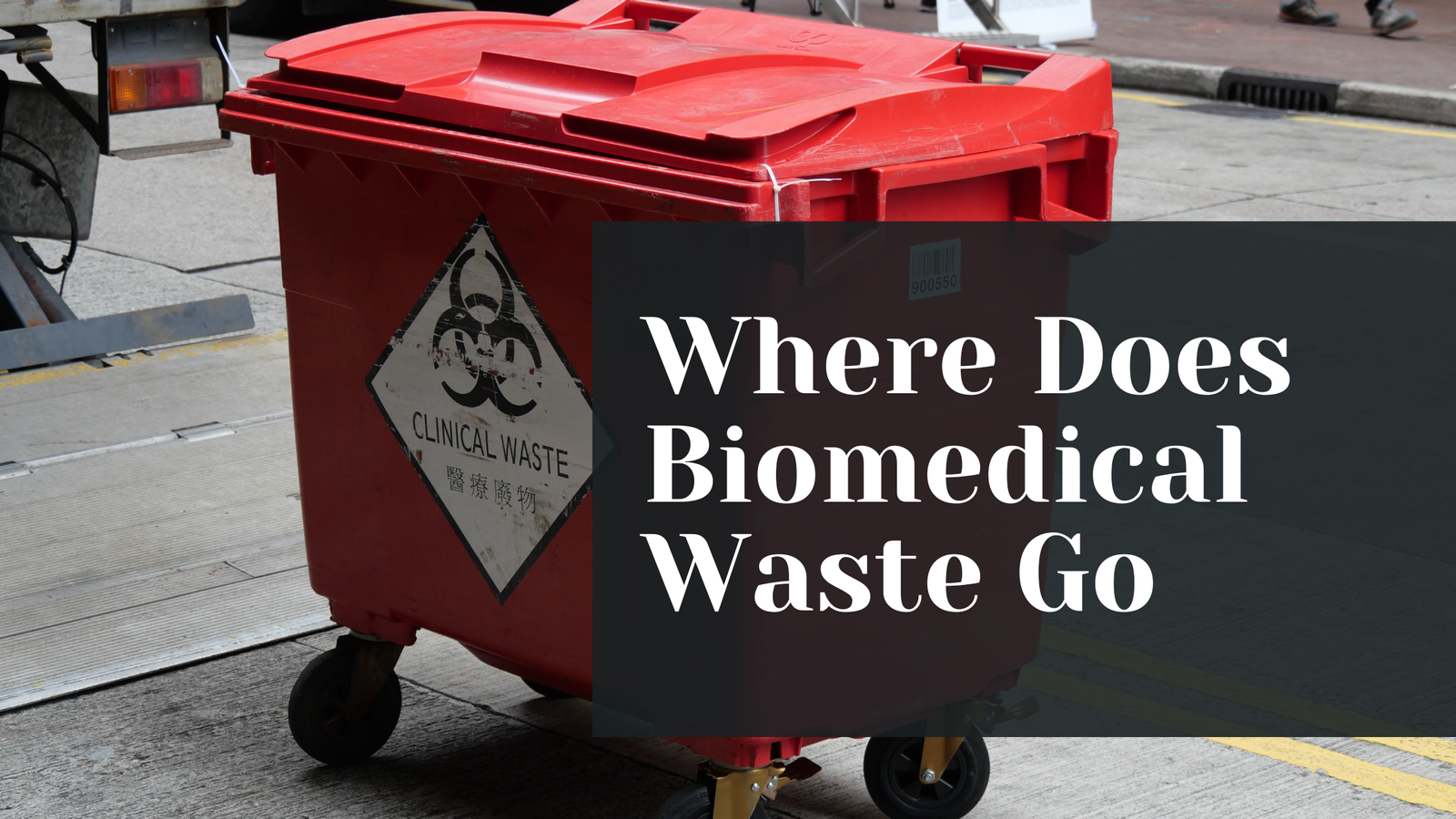
In short: from point-of-care bins to licensed transport, then through treatment (most often autoclaving; sometimes incineration or chemical methods) before the rendered-safe residues head to approved landfills, recycling streams, or waste-to-energy. In the U.S., rules vary by state. For example, biomedical waste florida programs spell out permits, storage limits, and who oversees transport, treatment, and incineration.
What counts as biomedical waste?
Hospitals, clinics, labs, dental and veterinary practices generate items that can spread infection if mishandled—think used needles and scalpels (sharps), blood-soaked dressings, cultures, pathological tissues, some pharmaceuticals, and contaminated plastics. The point is to keep infectious streams separate from ordinary trash so they can be treated correctly.
Segregation at the source (color coding)
Segregation—right at the bedside, lab bench, or procedure room—decides the entire downstream journey. Typical coding used in India (and echoed in many training guides worldwide) is:
- Yellow: anatomical/soiled/pharmaceutical/microbiology wastes.
- Red: contaminated recyclable plastics (IV sets, tubing, etc.).
- White (translucent): sharps in puncture-proof containers.
- Blue: glassware/implants (after decontamination).
Good segregation lowers risk and cost and makes more of the stream recyclable after treatment.
Inside the facility: collection, labeling, and storage
Red bags or marked containers collect infectious non-sharps; sharps go into rigid, puncture-resistant boxes. Labels must identify the generator (and for over-packs, the transporter). Storage areas are secured, cleanable, and away from public access. In Florida, storage at the generating facility must not exceed 30 days (the clock starts when the first non-sharps item goes into the bag).
Chain of custody: transport to treatment
Licensed or registered haulers pick up sealed containers on a schedule, maintain manifests, and move waste to treatment plants. Regulations follow a “cradle-to-grave” concept—the generator stays responsible for correct handling until final disposition records are complete. (Daniels Health and Stericycle both outline this lifecycle and documentation.)
How it’s made safe (treatment methods)
Autoclaving (most common)
Steam under pressure neutralizes pathogens in many solids (including sharps after containerization). Post-autoclave, materials may be shredded and routed to sanitary landfills or authorized recyclers, per local rules.
Incineration (when required)
Pathological tissue, certain pharmaceuticals, and some chemo-related items are burned at high temperatures under emissions controls; ash then goes to permitted disposal sites. Incineration selection weighs infection risks against air-pollution concerns; that’s why states specify when it’s used.
Chemical disinfection (mainly liquids) and other methods
Liquid biohazard waste (e.g., blood, some lab fluids) may be chemically treated before discharge to sanitary sewer (where allowed). Some systems use microwave or advanced thermal options; the choice depends on waste type, volumes, and local regulations.
So… Where Does Biomedical Waste Go after treatment?
Once neutralized, the fate depends on the stream:
- Landfills: engineered sites receive autoclaved residues and incinerator ash.
- Recycling: disinfected plastics/metals and cleaned glass may go to authorized recyclers.
- Waste-to-Energy: some jurisdictions send suitable, treated fractions for energy recovery.
Service providers publish lifecycle maps showing these end points.
Who regulates what? (U.S. and Florida example)
- United States (overview): Federal agencies set worker-safety and transport standards, while states set day-to-day biomedical waste rules and permits.
- Florida: The Department of Health (DOH) regulates packaging, transport, storage, and non-incineration treatment; the Department of Environmental Protection (DEP) oversees incineration and final disposal. Facilities need permits (generator, transporter, storage, treatment), keep records for inspections, train staff annually, and follow Chapter 64E-16, F.A.C. and section 381.0098, Florida Statutes. Local DOH pages (e.g., Orange County) also stress written plans and three-year record retention.
Practical takeaway for operators in biomedical waste florida settings: know your permit type, your 30-day storage clock, your transporter’s registration, and your treatment pathway documentation—those are the most common inspection touchpoints.
Facility playbook (what good programs do)
- Train and retrain staff annually; keep a written operating plan that covers waste types, color codes, labeling, storage, spill response, and emergency contacts.
- Label everything (bags, sharps boxes, and over-packs) correctly; keep storage areas locked and cleanable.
- Use licensed partners and retain manifests/receipts for the required period.
- Audit segregation points and keep spill kits and PPE handy.
Universities and health systems publish sample plans showing these elements in action. Florida Department of Health
Environmental and public-health stakes
Poor handling raises risks of sharps injuries, pathogen transmission, and air/water impacts. Autoclave vs. incineration choices matter for both safety and emissions, which is why regulators publish detailed treatment standards and why providers emphasize tracking and proof of treatment.
Final thoughts
If you’ve ever wondered Where Does Biomedical Waste Go, the answer is: through a tightly controlled circuit—segregation, labeled containment, licensed transport, treatment matched to the waste type, and then an approved final destination with records to prove it. For operators working under biomedical waste florida requirements, that means living by Chapter 64E-16, minding your storage clock, and keeping clean paperwork. Done right, the system protects workers, communities, and the environment—and now you can confidently answer Where Does Biomedical Waste Go when your team or patients ask. Florida Department of Health
If you are looking for reliable biomedical waste pick up services in Florida, give a chance to Medical Waste FL
Sources
Stericycle (treatment paths and lifecycle); Daniels Health (waste categories, responsibilities); Vikaspedia (color coding and segregation); Cureus 2023 review (treatment methods and risks); Florida DOH & Florida Statutes (roles, permits, storage limits)
